
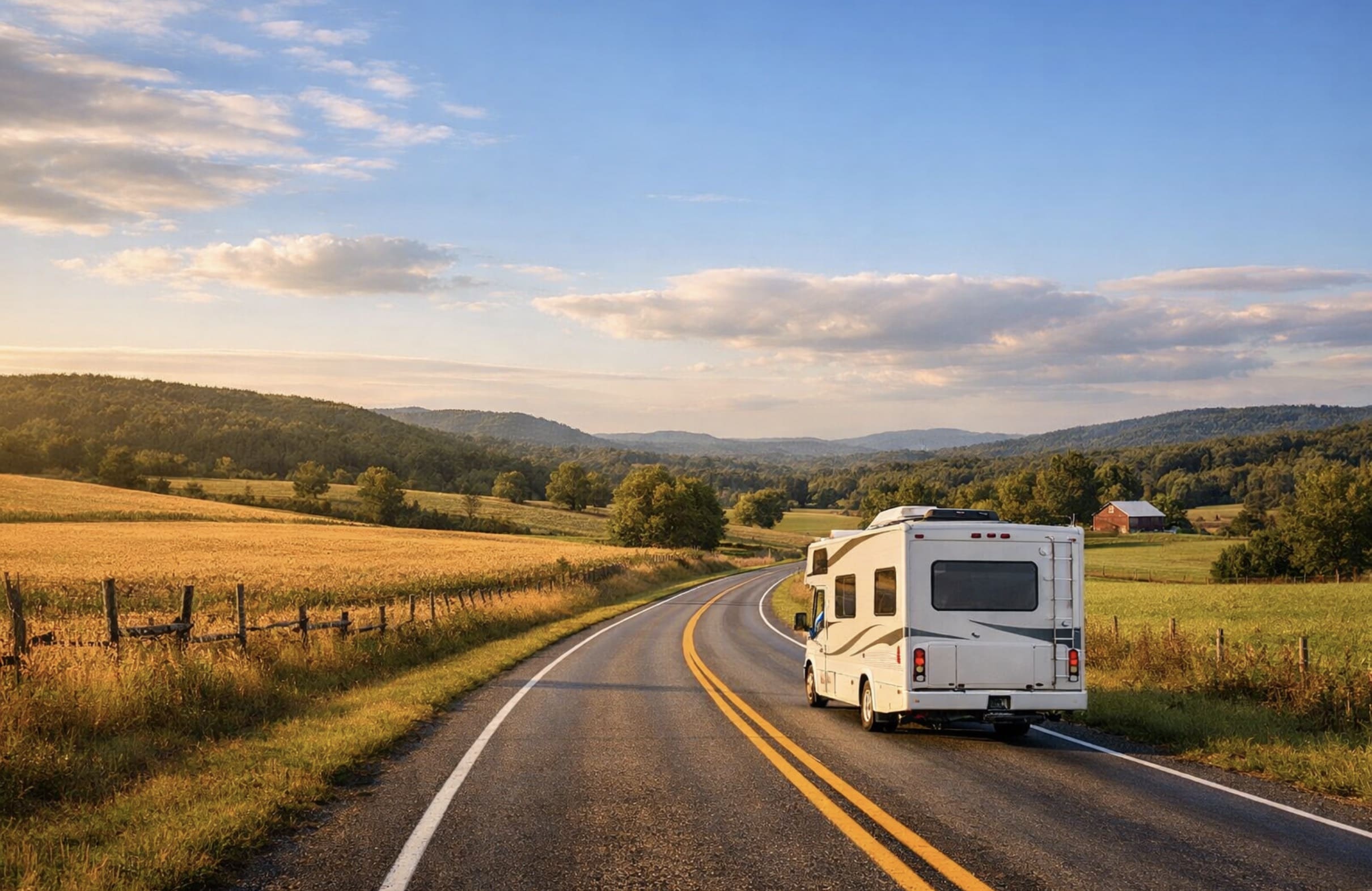
The good news is this: with a little planning and the right mindset, you can avoid most large metro areas altogether. In many cases, the quieter route is not only less stressful, but more scenic, safer, and often just as efficient.
Below is a practical, real-world guide to choosing the best RV routes that avoid big cities — written for people who actually travel in RVs, not just stare at maps.
Why Avoiding Big Cities Matters for RV Travel
City driving introduces challenges that simply don’t exist on rural or regional routes. Heavy traffic increases fatigue, frequent lane changes are harder in large rigs, and there’s rarely a safe place to pull over if something goes wrong. Low bridges, confusing signage, and aggressive drivers can quickly turn a good travel day into a stressful one.
For families, pet owners, or anyone towing, stress compounds quickly. Avoiding urban areas helps keep travel days calmer and more predictable — which is exactly what most RVers are looking for.
The Golden Rules for Avoiding Big Cities in an RV
Avoiding cities isn’t about taking random back roads. It’s about making smart, intentional choices that work well for larger vehicles.
- Favor state highways over interstates. State routes often parallel interstates without the congestion.
- Travel mid-day when possible. Even rural routes can bottleneck during commuter hours.
- Follow geography. Roads built around rivers, lakes, and valleys tend to be RV-friendly.
- Plan fuel stops early. Don’t wait until you’re near a city to look for diesel or large pumps.
- Never rely solely on car-based GPS apps. They optimize for speed, not RV safety.
North–South RV Routes That Skip Metro Areas
When traveling north to south (or vice versa), one of the easiest strategies is to look for regional highways that run parallel to major interstates. These roads often pass through agricultural areas and small towns rather than dense population centers.
For example, instead of hugging major corridors that cut straight through cities, many RVers find success using a combination of state routes and U.S. highways. These roads typically have better shoulders, easier access to fuel, and fewer sudden lane changes.
The drive may feel slower on paper, but in practice, consistent movement often beats stop-and-go city traffic.
East–West Routes That Reduce Traffic and Stress
East–west travel can be trickier because interstates often funnel directly through metro hubs. The key is identifying connector routes that bypass city centers entirely.
Look for beltway alternatives, regional connectors, or older highway corridors that predate modern interstates. These routes tend to skirt cities rather than cut through them and are often better suited for larger vehicles.
When planning these routes, satellite map views can be especially helpful for spotting wide intersections, fuel access, and potential bottlenecks ahead of time.
Scenic RV Routes Are Often the Calmest Routes
One of the unexpected benefits of avoiding big cities is how much more enjoyable the drive becomes. Routes near national forests, lakes, and rural countryside often have lighter traffic and more RV-friendly services.
These areas also tend to have more campgrounds, state parks, and overnight options that are designed with larger rigs in mind. You’ll find easier pull-through sites, quieter nights, and fewer surprises when arriving late in the day.
Where to Stop When You Avoid Cities
Skipping cities doesn’t mean sacrificing convenience. In fact, many smaller towns are better equipped for RV travelers than urban areas.
- State and county parks with spacious sites
- Privately owned RV parks just outside metro areas
- Rural campgrounds with easy access from highways
- Overnight stops designed for larger vehicles
These stops are often quieter, easier to navigate, and more welcoming to RVers who arrive after a long travel day.
Common Mistakes RVers Make When Avoiding Cities
Even experienced RVers can run into trouble if they aren’t careful. Some of the most common mistakes include rerouting at the last minute, ignoring posted height restrictions, or assuming that the shortest route is the best route.
Another frequent issue is waiting too long to fuel up. Rural routes can stretch longer between services, so planning fuel stops ahead of time is essential.
Helpful Tools for Planning RV-Friendly Routes
While no tool is perfect, using a combination of resources can make route planning much easier. RV-specific GPS units, satellite imagery, and even printed road atlases still have value — especially when traveling through unfamiliar areas.
The goal isn’t to rely on a single app, but to cross-check routes and spot potential issues before you’re committed to them.
Final Thoughts: Slower Routes, Better RV Travel
Avoiding big cities doesn’t mean giving up efficiency. More often, it means trading stress for confidence, traffic for scenery, and uncertainty for smoother travel days.
With smart planning and realistic expectations, RV travel can feel relaxed again — the way it’s meant to be. Choosing routes that work with your rig, not against it, is one of the best decisions you can make on the road.
RVTravelNetwork exists to help travelers make those smarter decisions, one trip at a time.